
How to Manage Exam Stress
 Nipender Singh •12 Feb 2026
Board exams are just a week away, and you may also be thinking about…
What will the exam be like?
What if I forget everything I studied?
Will I run out of time during the exam?
Have I prepared enough?
So don’t worry these are common signs of stress in students whose exams are about to start. This stress is not because your preparation is not good, it is because you are a human and human often fear of results, performance pressure, FOMO, and career tension. Exam stress can affect your concentration, confidence, sleep, mood, and performance.
Thousands of students will appear in the board exam, and they are also going through similar feelings. Exam stress is natural, it can never stop you from performing well. A smart preparation strategy and learning technique can help in this situation. Here, we explained how to overcome exam stress in school.
CBSE Board Exams 2026 Overview
Exam Name | CBSE Board Exams |
Conducting Body | Central Board of Secondary Education |
Classes | Class 10 & Class 12 |
Exam Start Date | 17 February 2026 |
Exam End Date Class 10th | 28 February 2026 |
Exam End Date Class 12th | 10 April 2026 |
Exam Mode | Offline (Pen & Paper) |
Exam Timing | 10:30 AM – 1:30 PM / 12:30 PM |
Exam Duration | 2 Hours / 3 Hours |
Total Marks | 100 |
Theory Exam Marks | 80 |
Internal Assessment | 20 |
Negative Marking | No |
Question Types | MCQs, Short & Long Answer |
Medium of Exam | English / Hindi |
Why Board Exam Feels So Stressed
As the exam day approaches, this stress increases day by day. Because the word "boards" carries a lot of significance in Indian families. Most of the students feel like their board results will decide their entire future. Even though we know it's just an exam, the pressure feels very real. Before managing exam stress, we need to know what is the real reason for this exam stress and what are the reasons behind exam pressure. Exam stress does not only come from books, but it also comes from
Fear of family, friends, and relatives that they will ask for marks
Top colleges require a high percentage for admission, so students feel that a bad paper will ruin their career.
Students experience information overload because there are so many resources available to them, like YouTube, coaching notes, and school textbooks. Deciding what to study can be stressful.
Fear of failure, low score, and disappointing teachers.
Board exams are held once a year, so every small mistake becomes permanent. They fear they only get one chance to score well.
Lack of preparation or confidence.
Overthinking and comparing with peers
These feelings are common to human nature, and experiencing them doesn't mean you're weak or not prepared for exams. It's just a human emotion. This is the part of the board exam journey, don’t try to ignore it, but from this learn its root cause, and know about how to manage it so it doesn't overwhelm your confidence or health. With the right mindset, stress can become something you work with, not something that works against you.
What are the Symptoms of Exam Stress?
Board exams are not just a test of your knowledge, they are a test of your confidence, your time management skills, how you can handle the pressure etc. During board exams, we are so leaned into books that we neither remember to sleep nor to eat. The entire focus is only on completing the syllabus as soon as possible.
A 2025 survey conducted by researchgate, which is done to find out academic stress and depressive symptoms in school-going adolescents in Manipur, India, revealed shocking stats. It says almost 55% of students experience physical signs of stress related to academics. But students and their parents missinterpret them as ordinary viral illness or simple fatigue. the survey reveal some common symptoms associated with exam stress wich are:
Feeling anxious or tense every time you revise.
Insomnia or broken sleep the night before the exam.
Headaches or stomachaches due to overthinking.
Doubts about your preparation.
Lack of confidence.
Forgetting things you studied yesterday.
Feeling nervous just before entering the exam hall.
Nervousness, nausea, or upset stomach
Nail biting or restlessness
Losing interest in everything, even things you usually enjoy.
When you know how to manage exam stress on board exam day 2026, you can manage these symptoms as well and prevent panic. But if necessary, consult a doctor or a psychiatrist.
How to reduce Stress and anxiety during exams? Simplified with Smart Study Tricks
Exam stress is unavoidable reality, even when you are fully prepared and confident about achieving a perfect score. The exam stress will always be there in your mind. The key is managing its intensity. The real concern is how much this stress affects your actual performance. Students who score 100 marks in mathematics still experience stress, but their preparation transforms that negative stress into a positive drive.. Below are several worldwide famous techniques that will help you in stress reduction.
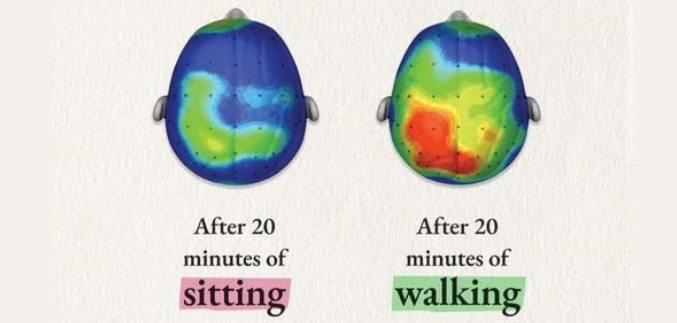
Dr. Chuck Hillman from the University of Illinois says that doing a small amount of exercise. Like taking a short walk, doing a few push-ups, or jogging for a few minutes will increase blood flow to the brain. This helps improve memory and makes it easier to come up with new and useful ideas and remember things for longer period of time.
Use the Pomodoro Technique: Set an alarm and study continuously for 25 minutes, then take a 5-minute break. And after four rounds, take a longer break of 15–20 minutes. This improves focus and prevents fatigue, preventing sleepiness and boredom.
The "Blurting" Method: Take a blank piece of paper and write down everything you remember about a chapter in 5 minutes. Write down things you forgot with a different color pen later, after reviewing them in your book. This will help you quickly identify your weaknesses.
Solve 'Sample' Papers or previous year papers in Real Time: Sit down to solve the paper during your board shift timings, from 10:30 AM to 1:30 PM (exam timing). This trains your mind to remain alert during the actual exam. You will also be able to measure your writing speed and determine how much of the paper you have been able to cover. This will help you improve your exam speed and allow you to complete it easily, even if the paper is lengthy.
Plan Reverse Revision: Start revision with the most important topics. Make a list and list the chapters with the highest weightage first, then the frequently asked questions in the paper, and finally the areas you find difficult. This makes revision easier and less confusing.
Competency-Based Focus: The Board of 2026 focuses on application. Instead of memorizing, ask yourself: "How will I use this concept in real life?"
Memory Techniques
Close the book, ask yourself questions, and answer them.
Write short summaries of each topic, this saves time during revision.
Make flashcards with bullet points for definitions and formulas.
Record yourself explaining a difficult concept in your audio notes. Listen to it while you're walking or grabbing a snack. This uses a different part of the brain.
Stick five key formulas or dates on your mirror. Every time you brush your teeth, you revise without "studying."
Whiteboard Method: Teach a "ghost" student. As you're explaining a math theorem or science cycle out loud, this will help you remember it.
Which Habits Help to Reduce Exam Stress?
Avoid studying late into the night before exams. Good sleep helps strengthen memory and reduce anxiety.
Eat nutritious foods like fruits and whole grains a few days before the exam, and drink plenty of water. Eating well will keep you from feeling unwell, and you will feel energized . Avoid consuming too much junk or caffeine, as these can increase anxiety.
Quick movements are recommended during long periods of study. A short walk or some stretching can help reduce tension in the body.
During short relaxation breaks, take a deep breath, inhaling for 4 seconds, then holding for 4 seconds and exhaling for 6 seconds. Repeat this process a few times between study times. This will help calm your mind quickly. The anxiety you feel at the thought of exams will decrease.
Do’s and Don’ts for Board Exam 2026
Do's | Don'ts |
Reach the center 30 minutes early. | Don't start a new topic the night before. |
Carry an analogue watch (digital is banned). | Don't compare your progress with friends. |
Read the paper for 15 minutes first. | Don't stay up all night working, it causes memory loss. |
Use a transparent pouch for pens. | Don't skip breakfast on exam day. |
Revise before the exam, even small portions | Don't Panic one day before the exam |
Talk to someone when stressed | Don't study with constant phone notifications |
Quick Stress-Busters for Exam Day
Stress reaches its peak on the morning of the exam. You may feel your hands shaking, sweating, your heartbeat may be racing, and your breathing may become labored. To manage this stressful situation, we use quick "stress-busters."
If you feel a panic attack coming on, name 5 things you can see, 4 things you can touch, 3 things you can hear, 2 things you can smell, and 1 thing you can taste. This takes your mind out of "worry mode" and brings it back to the present. This method is known as the 5-4-3-2-1 Grounding Method.
Stand straight with your hands on your waist in a "power pose" for two minutes. This simple physical move boosts your confidence.
Close your eyes for 2 minutes and visualize yourself writing the answers with ease. This will put your mental health in a positive direction.
Avoid taking too many breaks during the exam. This will waste your time and prevent you from finishing your paper on time. Take a short break only if necessary.
Wrap-up - Stay Calm, Stay Focused, Trust Yourself
As you know, board exams are from next week, and this week will not be easy at all, but you can manage it with the right approach. The stress of board exams 2026 is real, but it's important to keep in mind that it doesn't determine your future. Regardless of your exam results, there's always a way around it. Anxiety before exams is common, natural, and it happens to most students. This stress stems from pressure, fear, and overthinking, not from a lack of ability.
Smart study tricks, easy memory techniques, and healthy daily habits can help you manage this stress better. Even small things like good sleep, planned revision, timely practice, and calm breathing can make a big difference. All of this can help you stay confident on exam day by doing the right things and avoiding common mistakes. To score 100% in CBSE Class 10, you need to revise in discipline, take regular mock tests, and study with a proper strategy.
I remember in my board exams, I opened the question paper and suddenly realized I knew nothing. My mind went completely blank. Instead of panicking, I closed my eyes and drank some water. Take a deep breath. This helped me restart my brain and feel calm. I started with the easiest 1-mark questions, and slowly, I remembered everything I had studied. Board exams test your preparation, not your ability. One paper or one mistake can't decide your life. Trust what you've studied. Stay focused during the exam. Solve one question at a time. Believe in yourself. You are more prepared than you think.

Written by
Nipender Singh
Frequently Asked Questions
Find answers to your questions & more.
Take a few seconds and take a deep breath. Move on to the next question and come back later. Often, the answers come back when your mind is calm.
Yes, it's completely normal. Most students feel stressed before board exams due to fear of results, expectations, and time pressure. This stress doesn't mean you're weak or unprepared.
You can do the following things to simply reduce the exam stress and nervousness. - Good sleep works like a stress buster and if you don’t know, let me tell you, sleep repairs your body and relaxes your mind. So good sleep is required. - Exam stress often disturbs those who are not confident and sure about their preparation. Start preparing early. - Yoga helps a lot in reducing stress. But you have to practice regularly. - Don’t eat junk, eat healthy. - Discuss your reason for stress with your parents, siblings or friends. It will help you to reduce stress.